Top 8 AC Problems Orlando Homeowners Report Every Summer
Published: 2026-06-23 · By BetterWeather AC Repairs
As summer approaches in Orlando, the excitement of longer days and vibrant outdoor activities can quickly be overshadowed by an unwelcome frustration: a faltering air conditioning system. The heat and high humidity in our city make an efficient cooling system not just a luxury but a necessity. Imagine returning home after a long day in the sweltering heat, only to find that your AC isn’t blowing cold air. It’s a nightmare scenario for many of us living in the Orlando area, where the combination of heat and humidity can turn a home into an uncomfortable furnace. Knowing the common AC issues that affect Orlando homeowners can help you avoid such scenarios, ensuring that your home remains a sanctuary from the summer heat. Here's a rundown on some of the most frequent problems customers face every summer, along with some valuable tips to keep your AC running smoothly.
Why This Matters for Orlando Homeowners
Orlando's unique weather conditions can lead to a myriad of air conditioning challenges for homeowners. Humidity is particularly pronounced during summer, which can create an environment where your AC system is put under constant stress. Over time, this strain can manifest in various ways, from reduced efficiency to outright failure. It’s crucial for Orlando residents to understand that neglecting these issues can escalate into more serious problems, potentially leading to costly repairs or untimely replacements.
The high salt content in the coastal air also accelerates corrosion of external units and surrounding structures. Homeowners living near the coast, in particular, may notice quicker degradation of components that aren’t adequately protected from the elements. Regular maintenance check-ups can extend the lifespan of your unit, but the reality is, many systems will eventually need repairs.
Acting on problems early can save homeowners from expense and discomfort. Signs of malfunction may include unusual noises, increased energy bills, or fluctuating temperatures. Don't let small concerns escalate into larger issues.
Understanding common AC issues can help you prepare for summer and ensure your system operates efficiently.
Expert Solutions & Actionable Tips
1. Clogged Drain Lines
Clogged condensate drain lines are a common frustration for many Orlando homes, especially those with tightly sealed systems to combat humidity. When the drain backs up, it can cause water damage to surrounding areas and lead to system failure. Regular inspections can help keep this issue at bay. Costs for repairs generally range from $75 to $200 depending on the severity of the blockage.
To prevent clogs, homeowners should ensure that their drain lines are regularly cleared and consider using vinegar or manufacturer-recommended cleaning solutions monthly. An ounce of prevention is worth a pound of cure.
2. Refrigerant Leaks
Refrigerant leaks are another significant issue, impacting performance and efficiency. In Orlando’s warm climate, even a small leak can significantly raise energy costs as the system struggles to cool your home effectively. Repairs typically range from $200 to $800, depending on the location and size of the leak.
Regular maintenance checks can help identify leaks early on. Keep an eye out for ice developing on your coils or a hissing sound, which may indicate a refrigerant issue.
3. Electrical Failures
Electrical failures are particularly concerning in the humid and storm-laden environment of Orlando. Issues such as blown fuses or bad capacitors can hinder the performance of your AC system. The repair costs may range from $100 to $300, depending on the difficulty level of the repair.
Check the electrical components of your unit regularly, and consider investing in a surge protector to guard against unexpected power surges, particularly during tropical storms.
4. Thermostat Problems
Thermostat malfunctions can wreak havoc on your home’s temperature regulation. If your AC is not responding as it should, simple checking and recalibration of your thermostat can solve the issue. Costs for repairs typically hover around $75 to $150.
Consider upgrading to a smart thermostat that can adjust based on your habits and the local weather, enhancing efficiency and comfort.
5. Blower Motor Issues
A malfunctioning blower motor can cut off air circulation, leading to uneven cooling in your Orlando home. If your air conditioning isn't distributing cool air effectively, the blower might be the culprit, and repairs can run between $200 to $600.
Regular servicing can help detect problems with the blower early. Make it a point to listen for unusual sounds from the unit as a preventive measure.
6. Old and Inefficient Systems
Houses in older neighborhoods may have AC systems that are due for replacement, especially if they struggle to keep up with the Orlando heat. If your system is 10 years old or older, you might notice increased energy bills. A full system replacement can cost anywhere from $4,000 to $7,500, depending on the size and efficiency rating.
Investing in a new, energy-efficient model can save homeowners money in the long run. Look for units that comply with Energy Star ratings to ensure optimal performance.
Orlando Climate & Local Context
Orlando's tropical climate poses specific challenges for air conditioning systems. The city experiences high humidity levels, which makes efficient cooling essential for comfort and health. Elevated homes with moisture barriers are crucial; without them, the risk of mold and mildew can increase significantly. Moreover, homes built in coastal areas face additional challenges from salt air, which can corrode HVAC components quickly.
Local building codes may also impact air conditioning installations and repairs. Orlando homeowners must ensure their AC systems meet the requirements set forth by local regulations to avoid potential fines or penalties. Familiarity with local permit requirements can save time and prevent hassles during any significant repair or installation work.
When to Call a Professional
Determining when to tackle air conditioning issues yourself versus when to enlist a professional can be challenging. DIY repairs may save you some money, but certain scenarios warrant a call to an expert. If your unit is malfunctioning after a storm, or if you notice any fluid leaks, it's wise to seek professional help.
- You hear grinding, squealing, or clanking noises.
- Your AC unit is frozen or isn't blowing cold air.
- Circuit breakers are tripped frequently.
- You've recently noticed sudden spikes in energy bills.
- While looking at your AC, you see rust or corrosion.
- Inconsistent temperature control throughout your home.
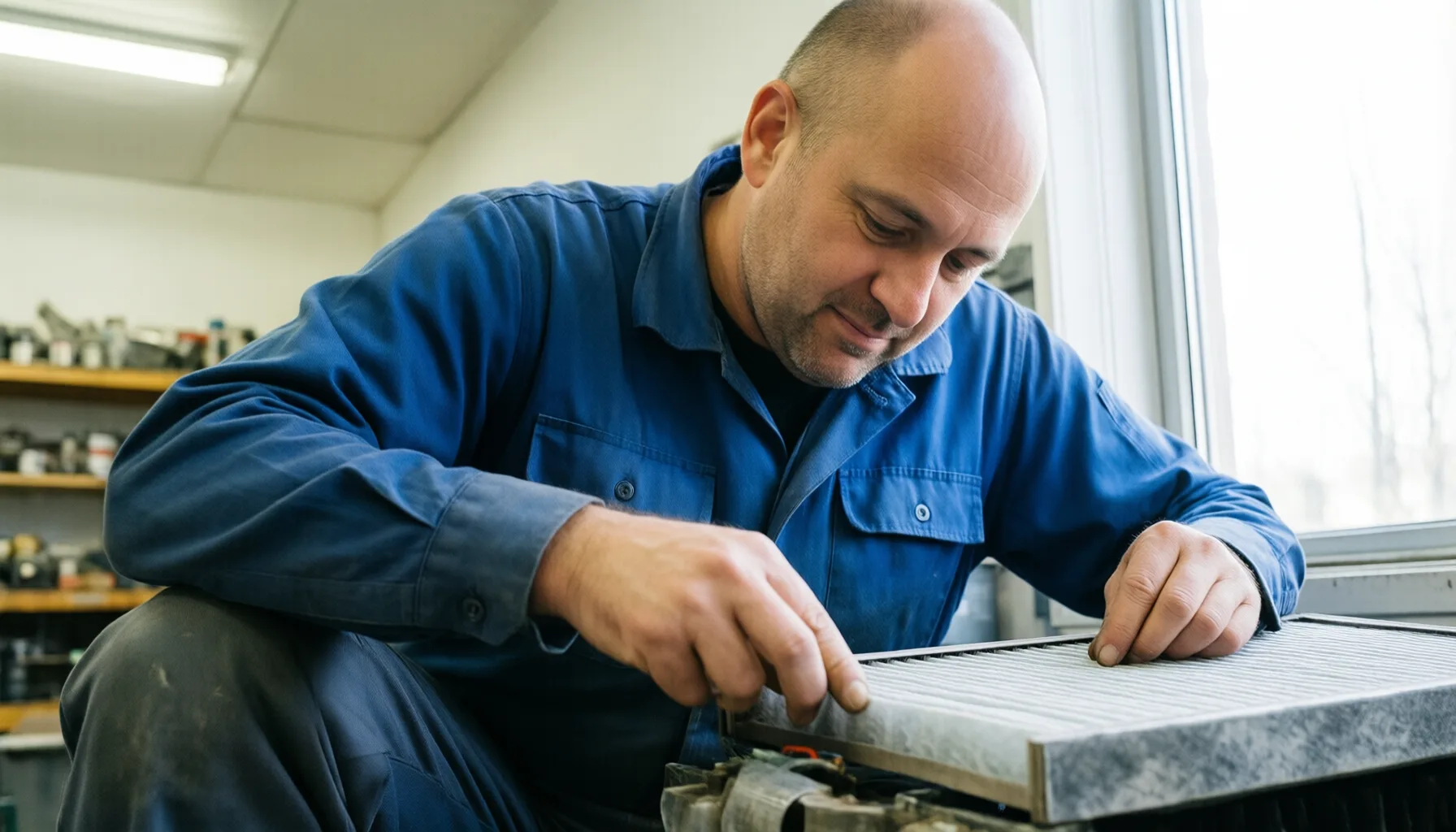
On the other hand, changing filters or cleaning the outdoor unit can typically be done by most savvy homeowners. Staying proactive about maintenance can prevent many common AC problems, making it a cheaper option in the long run.
Frequently Asked Questions
What should I do if my AC is not cooling?
If your AC isn’t cooling, first check the thermostat settings to ensure it's set to 'cool' and that the temperature is adjusted correctly. If that's fine, inspect the air filters and clean or replace them if necessary. If these steps don’t resolve the issue, it may be time to call BetterWeather AC Repairs for a professional assessment.
How often should I service my AC unit?
It's advisable to have your AC unit serviced at least once a year, ideally before the heat of summer sets in. Regular maintenance helps ensure efficient operation and maximizes your system’s lifespan.
Can I install an AC unit myself?
While DIY installation is possible, it is recommended to have a professional handle your AC unit installation to guarantee compliance with local codes and ensure optimal performance. A poor installation can lead to bigger problems down the line.
What’s the average lifespan of an AC unit in Florida?
In Florida, the average lifespan of an air conditioning unit is about 10 to 15 years, depending on maintenance practices and environmental factors like humidity and salt exposure, which can accelerate wear and tear.
How can I improve my AC's efficiency?
To improve your AC efficiency, regularly clean or replace filters, ensure that vents are unobstructed, and consider installing a programmable thermostat to better manage energy use during peak hours.
Get Expert Air Conditioning Repair Service in Orlando
Summer is upon us, and ensuring that your air conditioning is functioning efficiently is more important than ever. If you experience any of the problems outlined in this article or need a routine check-up, don't hesitate to call (689) 283-7414. BetterWeather AC Repairs is your trusted partner for all your HVAC needs in Orlando.
Keep your home comfortable this summer and enjoy the Orlando sunshine knowing your AC is in good hands!